



Puffer jackets for women, built for the cold.

Puffer jackets for women in long sleeve, sleeveless and short sleeve styles, plus caps, hats and accessories.

Long sleeveSleevelessShort sleeveCaps and hatsAccessoriesLayeringFill and warmthFit guide

Choose a puffer jacket for the day ahead

Start with what the day will bring. Each case below points to the pieces and the guide sections that fit it best.

  • A hooded long sleeve puffer with a water-resistant shell keeps light rain off on the way to work.

    Read about shells and closures
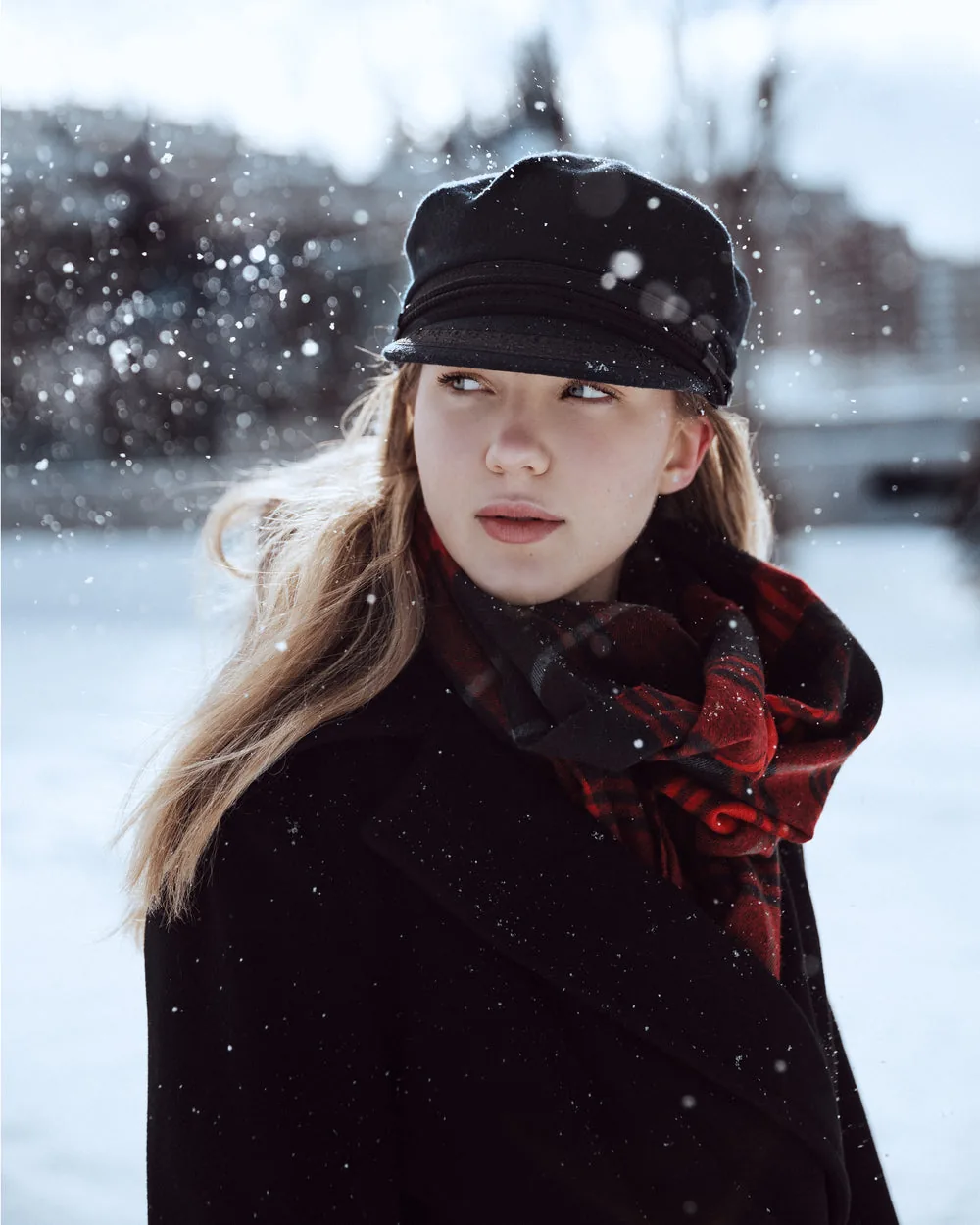
  • A long puffer coat with a drawcord hood, worn with a knit cap and a scarf, covers the cold spells.

    Shop long sleeve
  • A close weave and a high collar block the wind. A beanie keeps the ears warm when the gusts pick up.

    Shop caps and hats
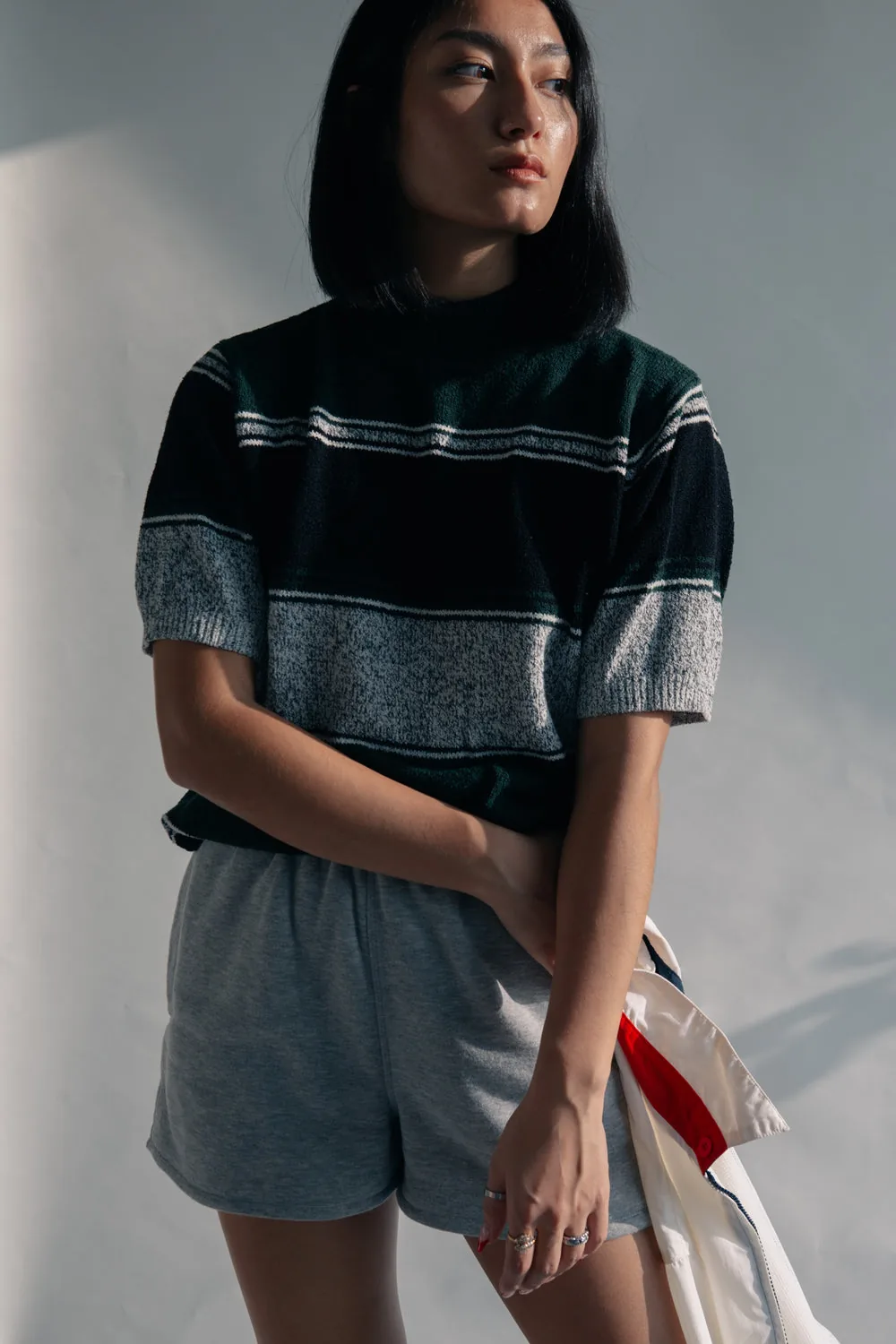
  • A short sleeve layer under an open jacket works from breakfast through to the afternoon.

    Shop short sleeve
Woman in a mustard puffer jacket walking a forest path in winter

Look closely at a puffer jacket for women

Four details that show how a women's puffer jacket will wear. Check them on any jacket before you buy.

  1. Even channels keep the fill spread out, so there are no cold spots.

  2. A high collar or a drawcord hood closes the gap where wind gets in.

  3. Elastic or a drawcord seals the edges, so warm air stays inside.

  4. A flap behind the zip blocks wind along the front closure.

Layer a puffer jacket for the weather

Three layers do most of the work with a puffer jacket for women. Start from the base and build up.

  1. A short sleeve layer or a fine knit keeps warmth close to the body without adding bulk.

  2. A sleeveless puffer over a shirt or knit warms the core while your arms stay free to move.

  3. A long sleeve puffer handles wind, snow and long walks. Add a hood when the weather turns.

What puffer jacket shells are made of

The shell is the first thing wind and rain meet on a puffer jacket for women. These are the fabrics you will see most often, and what each one does well.

  • Nylon

    A smooth, light fabric with a tight weave. Nylon shells suit wind protection and packable designs.

    • Wind protection
    • Packable
  • Polyester

    Holds its shape, resists stretching and dries quickly. A common choice for everyday puffers and vests.

    • Holds its shape
    • Dries quickly
  • Cotton blends

    Softer against the skin and common in casual layers and knits. Cotton holds water for longer, so check the care label.

    • Soft on skin
    • Check the care label
  • Knit and wool blends

    Used in beanies, scarves and gloves. Thick knits hold the most warmth for their weight.

    • Warm for its weight
    • Beanies and scarves

What warmth in a puffer jacket depends on

A puffer jacket works by trapping still air. The more air a fill holds for its weight, the warmer a jacket feels at a given weight.

Fill power measures how much space one ounce of down takes up once it has loft. A higher number means more loft for less weight. Synthetic fills are rated by weight instead.

Read the full guide
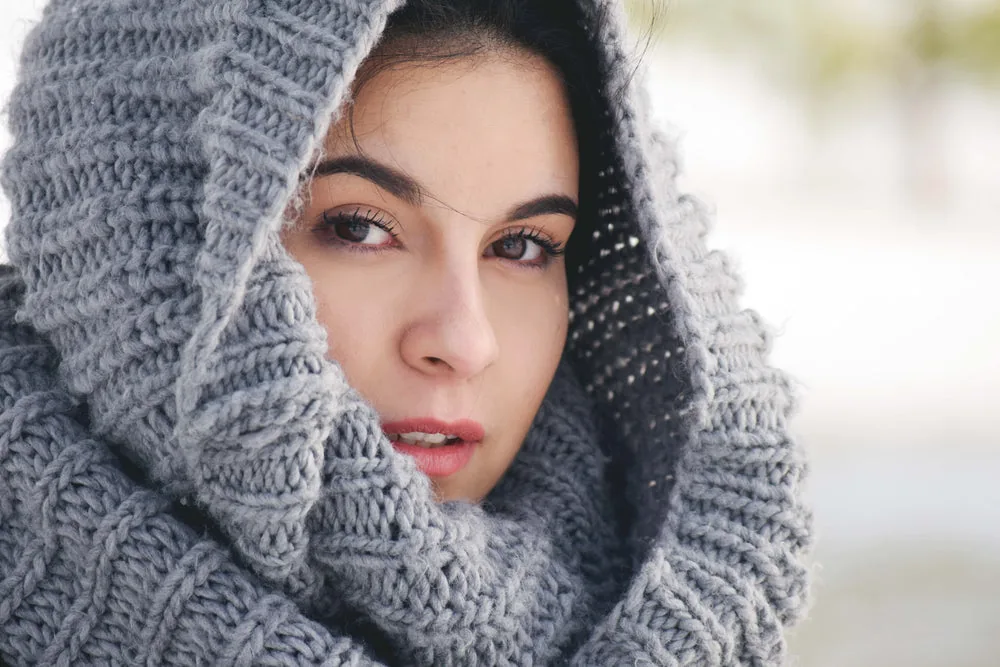
Woman wrapped in a grey knit hood and scarf

Warmth comes from trapped air

Stitched channels keep the fill evenly spread, so there are no cold spots.

Match the fill to your weather

A lighter jacket suits cool days. A heavier one suits snow and long time outdoors.

A close fit keeps the air in

Gaps at the cuffs and hem let warm air out, so check the fit before you layer.

Puffer jacket words you will see on a label

Short definitions of the puffer jacket terms used on product pages and in the buying guide for women.

8 terms

Baffle
A fabric wall stitched between the outer and inner shell. Baffles hold the fill in place so it does not shift.
Drawcord
An adjustable cord at the hood or hem that closes the opening and keeps warm air in.
Fill power
How much space one ounce of down takes up once it has loft. Higher numbers mean more loft for the same weight.
Loft
The thickness of the fill when it is fully expanded. Loft traps the still air that keeps you warm.
Packable
A jacket that folds into its own pocket or a small bag, so it is easy to carry.
Quilting
Stitched lines that divide the fill into channels, so the insulation stays where it is put.
Shell
The outer fabric of a jacket. It protects the fill from wind and light rain.
Water-resistant
A finish that sheds light rain. It is not the same as waterproof, which resists sustained rain with sealed seams.

Three decisions before you buy a puffer jacket

Choose the sleeve length

Long sleeve for full cover, sleeveless for layering, short sleeve for mild weather.

Match the warmth to your weather

A heavier fill and a longer cut suit snow. A lighter piece suits cool days and layering.

Check the fit before you layer

Try it over the knit you will wear most. It should close without pulling, and the sleeves should reach your wrist.

Care that keeps a puffer jacket warm

  • Read the care label before the first wash.
  • Wash down-filled pieces gently, on a cool setting.
  • Dry them fully, with clean dryer balls, to restore the loft.
  • Store the jacket loosely, not compressed for months.

Size a puffer jacket in three measurements

  • Bust: around the fullest part of the chest.
  • Waist: around the natural waistline.
  • Sleeve length: from the shoulder seam to the wrist.
Check your size

Questions about puffer jackets for women

Short answers to the questions shoppers ask first.

All questions
What is a puffer jacket?

A puffer jacket is a padded jacket filled with insulation, usually down or a synthetic fill. Stitched channels or baffles hold the fill in place so it does not shift.

What does fill power mean?

Fill power measures how much space one ounce of down takes up once it is compressed and released. Higher fill power generally gives more warmth for less weight. Synthetic fills are rated by weight instead.

Down or synthetic: which is better?

Down is light, compresses small and holds its loft in dry cold. Synthetic fills keep some warmth when damp and are often easier to wash. Choose by the weather you expect most.

Is a puffer jacket warm enough for snow?

Warmth depends on the fill, the shell and the cut. A heavier fill and a longer cut suit snow. A lighter piece suits cool days and layering.

How should a women's puffer jacket fit?

A puffer should close comfortably over a knit without restricting the arms. Lift your arms to check the sleeve length, and sit down to check that the hem still covers your waistband.

Can I wear a puffer vest under a coat?

Yes. A sleeveless puffer adds warmth at the core without bulk at the arms, so it fits under a tailored coat or over a jumper.

Get a puffer jacket fit recommendation

Tell us your height, usual size and the weather you dress for. We reply with the cut and fill that suit you.

  • A personal reply, not an automated list
  • Advice on fit over your usual layers

This opens a drafted email to our team. We reply personally.

Find your puffer jacket for tomorrow's weather

Every category in one store. Start with a puffer, then add the vest, the cap or the scarf.

Woman in a dark cap and long coat in a snowy wood